Business: Iran Hits Saudi, Kuwaiti Oil Refineries In Latest Attacks
Oil prices have surged during the nearly three-week Middle East war, with the benchmark Brent crude topping $115 on Thursday.
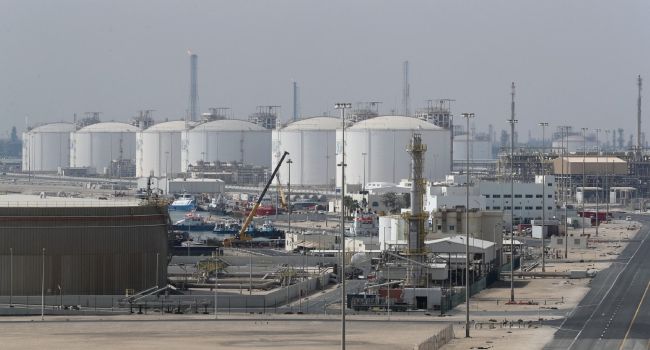
This picture shows the Ras Laffan Industrial City, Qatar’s principal site for production of liquefied natural gas and gas-to-liquid, administrated by Qatar Petroleum, some 80 kilometers (50 miles) north of the capital Doha, on February 6, 2017. Tehran on March 19, 2026, has carried out a series of attacks on Gulf energy sites, including on Qatar’s huge Ras Laffan LNG facility, in retaliation for an Israeli strike on Iran’s South Pars gas field — part of the world’s largest natural gas reservoir.
Drones struck a Saudi oil refinery on the Red Sea and caused fires at two others in Kuwait as Iran stepped up attacks on Gulf energy infrastructure on Thursday.
Saudi Arabia’s defence ministry said a drone crashed into the Samref refinery in the industrial zone of the Red Sea port of Yanbu, adding that damage assessment was underway.
Yanbu is the destination of Petroline, the overland oil pipeline that gives Saudi exports an alternative to the Strait of Hormuz — currently choked off by Iran.
Thursday’s attacks follow major damage at the world’s biggest gas hub, Qatar’s Ras Laffan, on Wednesday as Iran retaliated for Israeli strikes on its South Pars gas field.
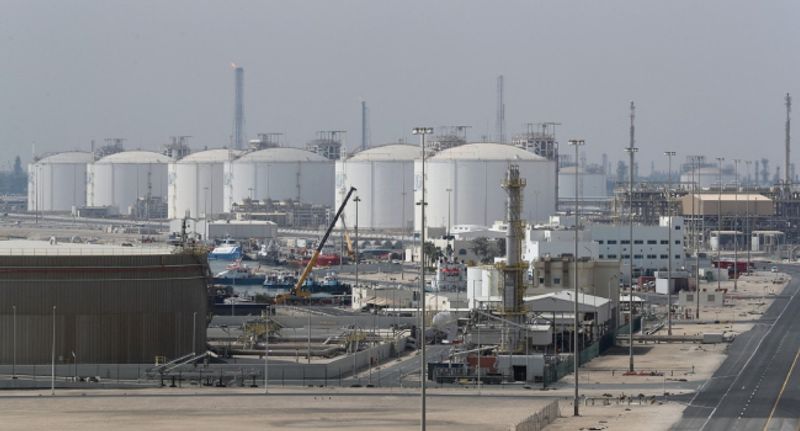
In Kuwait, drone attacks sparked blazes at the Mina Abdullah and Mina Al-Ahmadi refineries, which have a combined capacity of 800,000 barrels per day.
The state Kuwait National Petroleum Company later said the fires were contained.
Saudi Arabia’s Samref refinery can process about 400,000 barrels of crude per day.
Oil prices have surged during the nearly three-week Middle East war, with the benchmark Brent crude topping $115 on Thursday.