Nigeria’s Economic Risks Are Overhyped, Tuggar Tells Foreign Investors
His stance followed the Director-General of the World Trade Organisation, Dr Ngozi Okonjo-Iweala's advise to the Nigerian government, to deliberately target global investments and supply chain relocations to reduce import dependence, deepen manufacturing, and drive job creation.
Minister of Foreign Affairs, Yusuf Tuggar, has urged international investors to look beyond the security challenges facing Nigeria, saying that the reported geopolitical risks were exaggerated, eroding foreign investors’ confidence in the country.
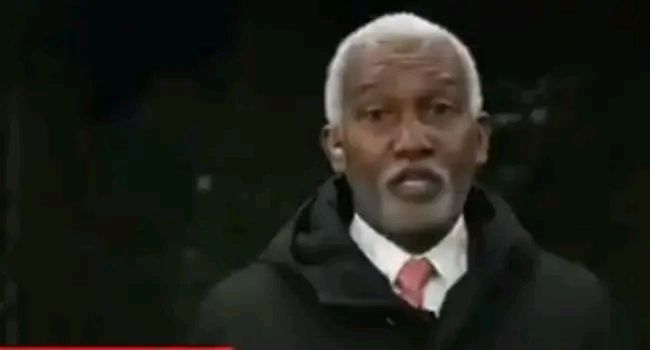
Speaking when he featured on CNN on Tuesday at the ongoing World Economic Forum in Davos, Switzerland, Tuggar noted that incidents of insecurity being recorded across the country are “isolated cases” and not the reality across the country.
According to him, instability in the Sahel had spilled into Nigeria.
“We are urging investors to treat us the same way they treat other countries. The fact that there were isolated incidents in some places in the country does not mean that it’s the entire country.
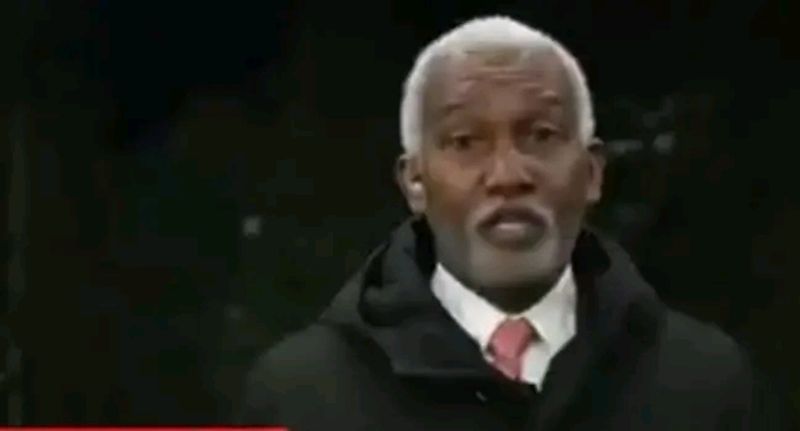
“Conversations that are taking place here also have to do with risk buyers, where the issue of geopolitical risk, in particular, is over-hyped when it comes to Africa, which doesn’t apply in other parts of the world.
“It’s very important to see the conflict for what it is. It’s a regional conflict that has spilled over into Nigeria. It is not removed from the conflict in the Sahel. It’s not removed from what happened in Libya many years ago,” he said.
“It’s not removed from the proliferation of weaponry, of fighters, and climate change issues, and so many other complex issues.”
Tuggar said the government is working with international partners, including the United States, to target bandits and terrorist groups in their hideouts.
The minister also said Nigeria is actively engaging investors and pushing back against an exaggerated risk narrative around Nigeria’s economy.
“We’re urging potential investors to treat us the same way, to look at us the way that they look at other countries. The fact that there is an incident in a country of 923,000 square kilometres does not mean you write off the entire country,” he said.
Tuggar highlighted a number of macroeconomic and fiscal reforms under the Bola Tinubu administration aimed at improving investor confidence, including changes to the foreign exchange regime, tax reforms, and a reduction in corporate income tax.
The minister said Nigeria’s foreign reserves had risen to about $43 billion, while reforms had eased access to foreign exchange.
“It’s very important we look at the progress that the Tinubu administration has been making with macroeconomic reforms, with the tax reforms that make it easier for investors to come into Nigeria,” he said.
On security, he said Nigeria had recorded significant gains against Boko Haram through regional cooperation, particularly the multinational joint task force, which allowed cross-border pursuit of insurgents.
He said those efforts were disrupted following the Niger Republic’s withdrawal from the force after last year’s military coup.
READ ALSO: Davos: Nigeria Must Deliberately Target Global Investors — Okonjo-Iweala
Tuggar warned that persistent negative framing of Nigeria’s security situation could itself worsen insecurity by encouraging extremist groups to stage attacks for attention.
“So let us look at Nigeria holistically. Let us not continue to dwell on some of these isolated incidents and define the entire country by it,” he said.
According to him, apart from working with security agencies to safeguard lives and properties, the country has also secured the services of forest guards to militate against terrorism.
Earlier, the Director-General of the World Trade Organisation, Dr Ngozi Okonjo-Iweala, advised the Nigerian government to deliberately target global investments and supply chain relocations to reduce import dependence, deepen manufacturing, and drive job creation.
During a panel discussion titled “From Scale to Capital: Financing Nigeria’s Role as Africa’s Digital Trade and Infrastructure Anchor,” the WTO Chief stressed that rising geopolitical tensions, particularly between the United States and China, have accelerated supply chain diversification.