Back to Homepage
Health

Global Polio Vaccine Funding Slashed By 30% In 2026

Aglow News
October 23, 2025
Global Polio Vaccine Funding Slashed By 30% In 2026

Global Polio Vaccine Funding Slashed By 30% In 2026

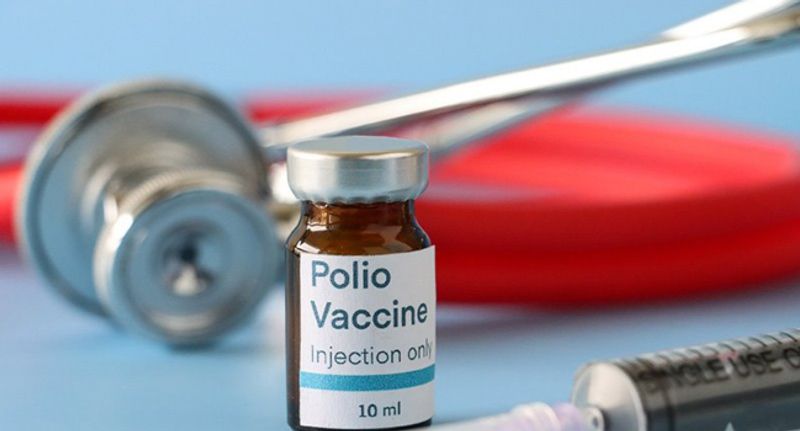
The shortfall is largely caused by a global drawback in foreign aid, led by the United States, which is also withdrawing from the WHO.The budget of the Global Polio Eradication Initiative, a partnership including the World Health Organization and the Gates Foundation, has been slashed by 30% in 2026.

Funding will also face a $1.7 billion gap up to 2029, the organisation has said.The shortfall is largely caused by a global drawback in foreign aid, led by the United States, which is also withdrawing from the WHO. The partnership will reduce its work in lower-risk areas, unless there are outbreaks, as well as focus on efficiencies.“The significant reductions in funding… mean that certain activities will simply not happen,” said Jamal Ahmed, WHO director of polio eradication, in a press conference on Tuesday, according to Reuters.

Other wealthy donor governments like Germany and the United Kingdom have made cuts, a spokesperson said.In response, the GPEI partners said they plan to focus more on surveillance and vaccination in areas where there is a high risk of polio transmission.The GPEI will also collaborate more with other global health programmes like measles campaigns, and use strategies like fractional dosing – where as little as a fifth of a vaccine dose is used to stretch out supplies and cut costs, as studies have shown this still protects children from infection.Wiping out the paralysis-causing viral disease has been a global health aim for decades.
Article image

Despite significant progress due to mass vaccination since 1988, ending the disease has proved challenging: the first missed deadline for doing so was in 2000.In 2025, there were 36 cases of wild polio in Afghanistan and Pakistan, the two countries where it remains endemic and where essential activities will continue, the GPEI said.

There have been 149 cases of the vaccine-derived form of the virus this year in countries including Nigeria. Cases of both forms have fallen since 2024.

Tags

Health

Related Posts

Health: US To Zero Out Tariffs On UK Pharma Under Trade Deal

Health: US To Zero Out Tariffs On UK Pharma Under Trade Deal

The United States has agreed to eliminate tariffs on British pharmaceutical imports under a new deal requiring the UK to increase spending on American-made drugs by 25 percent. The agreement, announced Monday, aims to correct what US officials describe as long-standing trade imbalances and ensure fairer pricing for American treatments. In exchange for tariff relief, the UK’s NHS will pay higher prices for new US therapies, becoming the only country granted exemption from the steep tariffs introduced on October 1. The move comes amid broader US scrutiny of global drug-pricing practices and follows major investment commitments in US manufacturing by firms such as AstraZeneca and Pfizer.

NTS Urges FG To Prioritise Health Funding, Modernise Hospitals

NTS Urges FG To Prioritise Health Funding, Modernise Hospitals

The Nigerian Thoracic Society (NTS) has urged the Federal Government to prioritise increased health funding and modernise hospital infrastructure to address Nigeria’s rising burden of respiratory diseases. In a communiqué issued after its 32nd Annual General Meeting in Lagos, the society called for fully equipped regional centres of excellence, stronger documentation practices, and wider public education on tobacco risks and emergency response. Delegates also examined how technology and AI can enhance respiratory care, stressing that while AI offers major benefits, it cannot replace healthcare professionals.

Cervical Cancer Vaccine Push Has Saved 1.4 Million Lives — Gavi

Cervical Cancer Vaccine Push Has Saved 1.4 Million Lives — Gavi

Gavi, the Vaccine Alliance, says its three-year campaign to expand access to HPV vaccines in low-income countries has prevented an estimated 1.4 million future cervical cancer deaths. The organisation reports that 86 million girls are now protected against HPV—the leading cause of cervical cancer—which disproportionately affects poorer nations lacking screening and treatment services. HPV-related cervical cancer caused 350,000 deaths in 2022, with 90% occurring in low-income countries. Gavi added that vaccine coverage in Africa has risen from 4% in 2014 to 44% in 2024, supported by reduced vaccine prices and increased manufacturer commitments.

Share this article