Imo Bans Mining, Dredging In Owerri
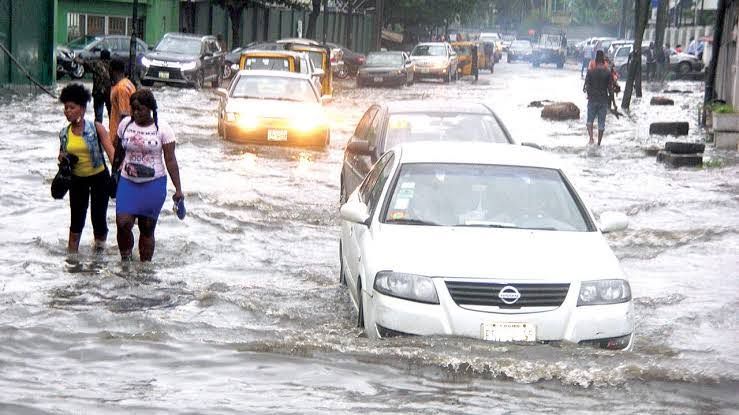
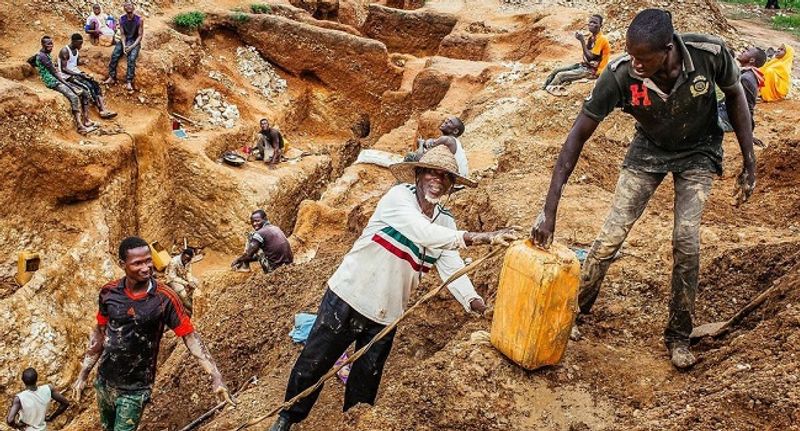
The government says the decision follows years of unregulated mining, resulting in devastating floods and soil erosion in the city. The Imo State Government has announced an immediate and total ban on all forms of mining and dredging activities within the Owerri Capital Territory.The state government cited widespread environmental destruction caused by uncontrolled sand mining.
The Commissioner for Industry, Mines and Solid Minerals, Ernest Ibejiako, announced during a meeting with relevant stakeholders in the mining and dredging sector held in Owerri. He said the decision followed years of unregulated mining that had resulted in devastating floods, soil erosion, and the collapse of critical infrastructure across the city.“Enough is enough, the government and good people of Imo State can no longer fold their arms and watch the indiscriminate devastation of our capital territory.“No responsible government will sit back and allow her environment to be degraded to the point of collapse, ”Ibejiako said.
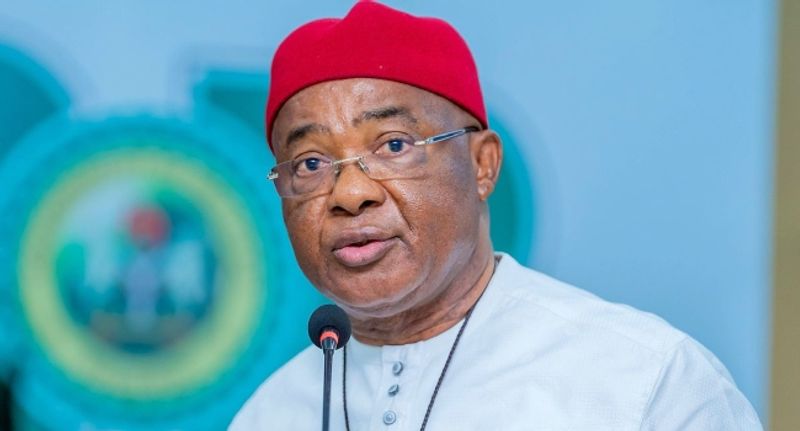
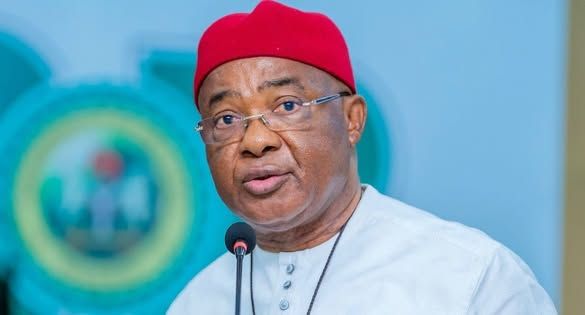
FG Assessment The commissioner expressed appreciation to the Minister of Solid Minerals Development for responding swiftly to the state’s outcry by sending a delegation of senior federal directors to assess the situation.He explained that the administration of Governor Hope Uzodinma, acting under the overriding public interest provision of Section 28 of the Land Use Act of 1978, has formally notified the federal authorities and demanded the revocation of all mining licences within Owerri Capital Territory.
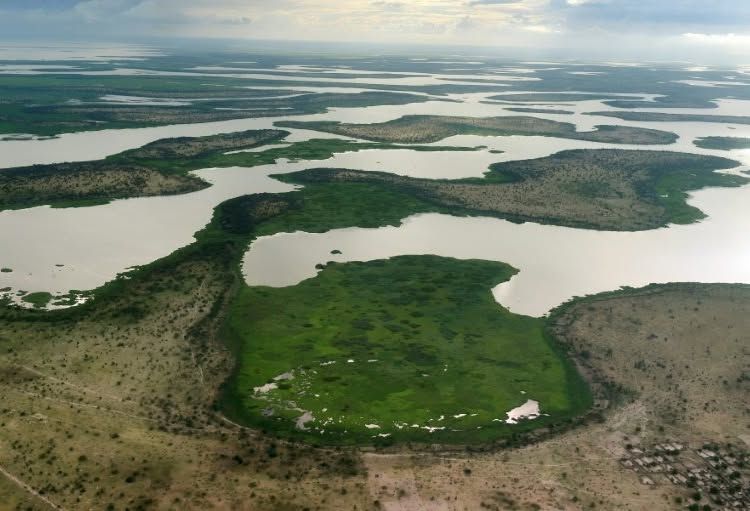
According to Ibejiako, despite earlier bans placed as far back as 2017 and reinforced in 2019 by the then Minister of State, Uche Oga, illegal dredging and sand mining had persisted, causing severe environmental degradation.“The Owerri River, which once had a narrow stretch, has now been dangerously widened to oceanic proportions through uncontrolled dredging,” he lamented.“
Bridges, road networks, and even perimeter fences of institutions like Alvan Ikoku University have been destroyed. Entire communities and farmlands are under threat, and flooding has become a daily reality,” said Ibejiako. Govt Warns Defaulters He further warned that the government would invoke the Nigerian Minerals and Mining Act of 2007 and its accompanying regulations to prosecute all defaulters and enforce strict compliance with environmental protection standards.“We will no longer, in the name of legality or federal licensing, sacrifice the environmental safety and survival of Owerri Capital Territory,” he declared.
“Let us save Owerri now, or risk losing her forever,” he added.Ibejiako reaffirmed that the Uzodinma administration remained committed to sustainable development and environmental preservation, stressing that the state will only support responsible mining activities outside the capital territory, in full compliance with Environmental Impact Assessments (EIA), Environmental Management Plans (EMP), and Community Development Agreements (CDA).
He said the decision followed years of unregulated mining that had resulted in devastating floods, soil erosion, and the collapse of critical infrastructure across the city.