
The vaccine, developed in partnership with WHO, is expected to significantly reduce malaria-related deaths among children under five. Health officials call it a historic step toward eliminating malaria in Nigeria.
Back to Homepage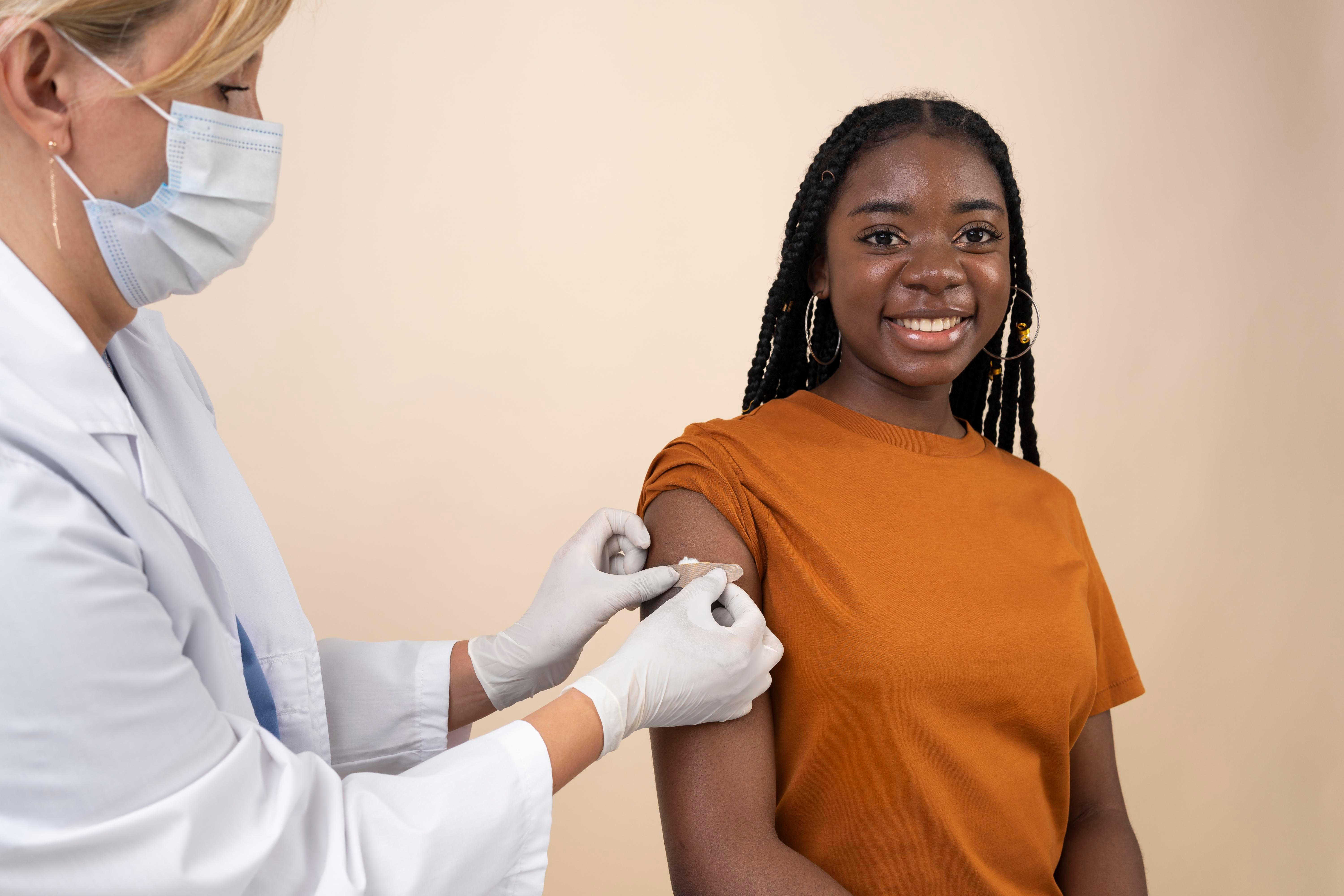

Health
New Malaria Vaccine Approved for Nationwide Distribution in Nigeria
Vatican
August 4, 2025
Tags
Health
Related Posts
Health: Nearly 500 Confirmed Cases In Central Africa Ebola Outbreak — WHO
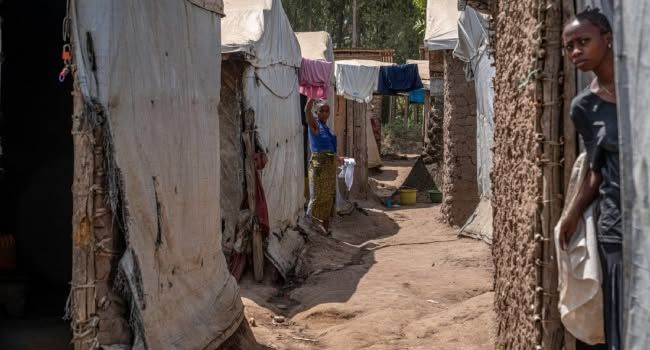
The World Health Organization (WHO) says nearly 500 Ebola cases have now been confirmed in an ongoing outbreak in central Africa, with at least 84 deaths recorded across the Democratic Republic of Congo and Uganda. Health authorities warn that the epidemic is spreading rapidly and could reach the scale of past major outbreaks without urgent intervention.
Health: Japan Fertility Rate Falls Again To Record Low
Japan’s fertility rate declined to a record low of 1.14 in 2025, marking the tenth consecutive year of decline and highlighting the country’s worsening demographic challenges. With births falling to just over 670,000—the lowest level since records began in 1899—officials face growing concerns over an ageing population, labour shortages, rising social security costs, and a shrinking workforce despite ongoing efforts to encourage marriage and childbearing.
Health: WHO Chief Visits Epicentre Of Ebola Outbreak In DR Congo
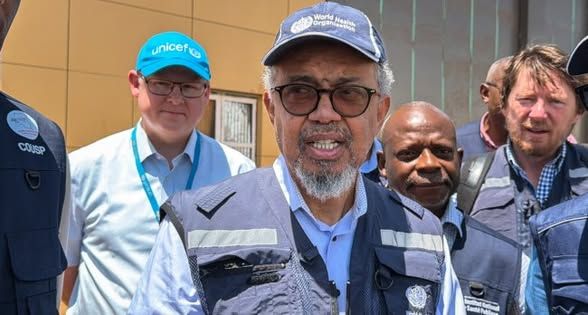
World Health Organization Director-General Tedros Adhanom Ghebreyesus has visited Bunia in eastern Democratic Republic of Congo, the epicentre of a rapidly escalating Ebola outbreak that has recorded over 1,000 suspected cases and hundreds of deaths. Health authorities warn the outbreak is spreading across multiple provinces and into neighbouring Uganda, raising concerns over limited healthcare capacity, ongoing regional conflict, and the risk of wider transmission in displacement camps and vulnerable communities.