
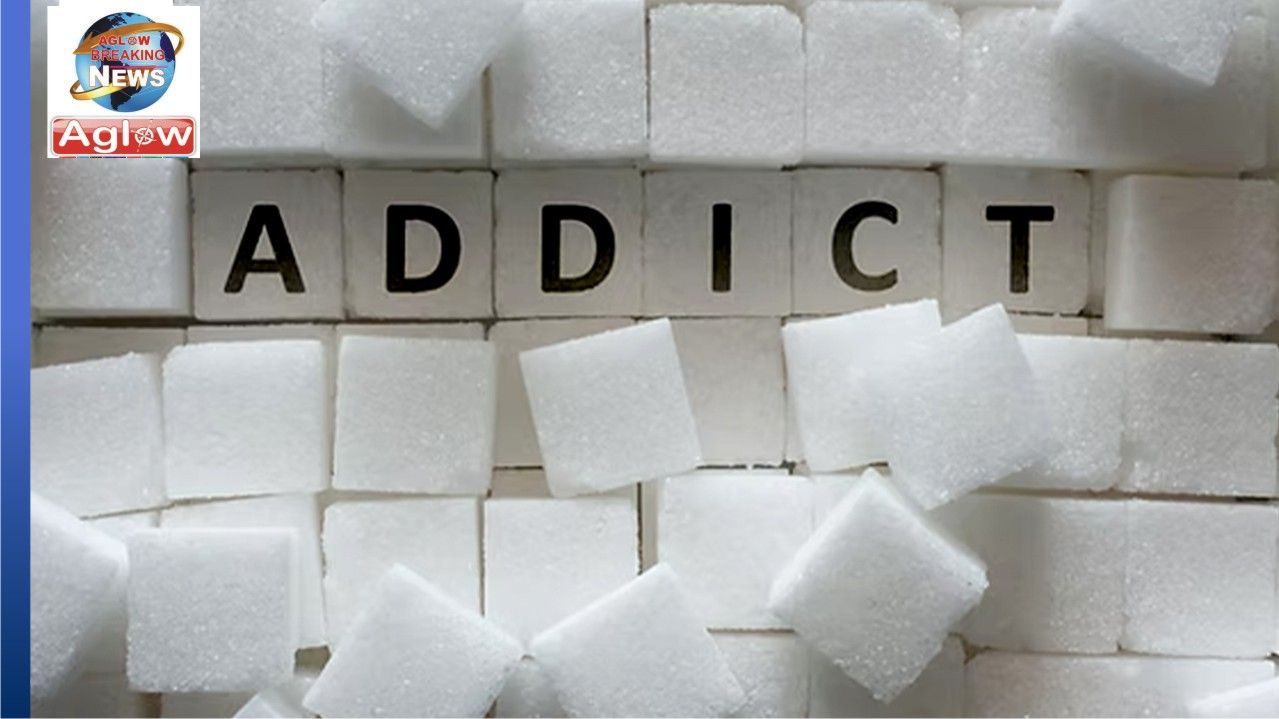
Refined Sugar More Addictive Than Cocaine,’ Expert Warns

She warned parents, especially mothers, to stop adding refined sugar to their children’s meals, as it could result in obesity.
A health expert has warned Nigerians to stop consuming refined sugar as it is more addictive than cocaine. Associate Professor and honorary consultant to the Lagos University Teaching Hospital, Prof Alero Roberts, revealed this as a guest on Health Matters.
Although she clarified that not all sweet foods are unhealthy, she stated that natural foods such as oranges and honey should be consumed generously.She warned parents, especially mothers, to stop adding refined sugar to their children’s meals, as it could result in obesity.
“Not all sweet things are bad for the body, which was why I emphasised that the locally available fruits like the oranges, honey are fantastic.“But adding refined sugar to everything a child eats is not helpful, because we are seeing children with obesity.
“In fact, many schools have told parents that a child must come to school with nothing but water. Many have even stopped children from bringing processed packaged foods to school.
“What many people don’t understand is that refined sugar is actually more addictive than cocaine. You just try stopping eating refined sugar, and in three days, your body will tell you that something has gone wrong. You will be shaking and lose your temper. But if you stay focused, you will see that you will be fine afterwards.”She emphasised that healthy living should start from conception till old age.
“Healthy living can be looked at from two ways. We can look at it from head to toe or from cradle to grave.
So it really should start from conception to elderly care.“It should start from good nutrition, and part of the thing is an intentional inclusion of locally available fruits and vegetables into our meals daily. Avoiding processed foods, quick-fix noodles, and fast foods prepared without looking at the hygiene and safety of food preparation. You should know where the meals were prepared, and which water was used in preparing them.
”She also spoke on the benefits of good sleep, shutting off screens, napping, exercise and others.“It is good to get into at least three hours of exercise per week, about 3o minutes daily. But even walking is better.
If you do a sedentary job, you have to get up from your desk every hour. You should also add weights if you want to be healthy,” she said.