The gaps hunger doesn’t fill
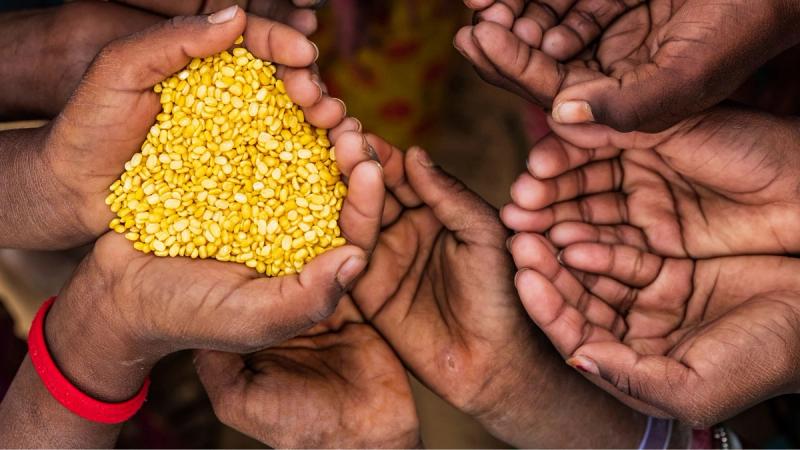
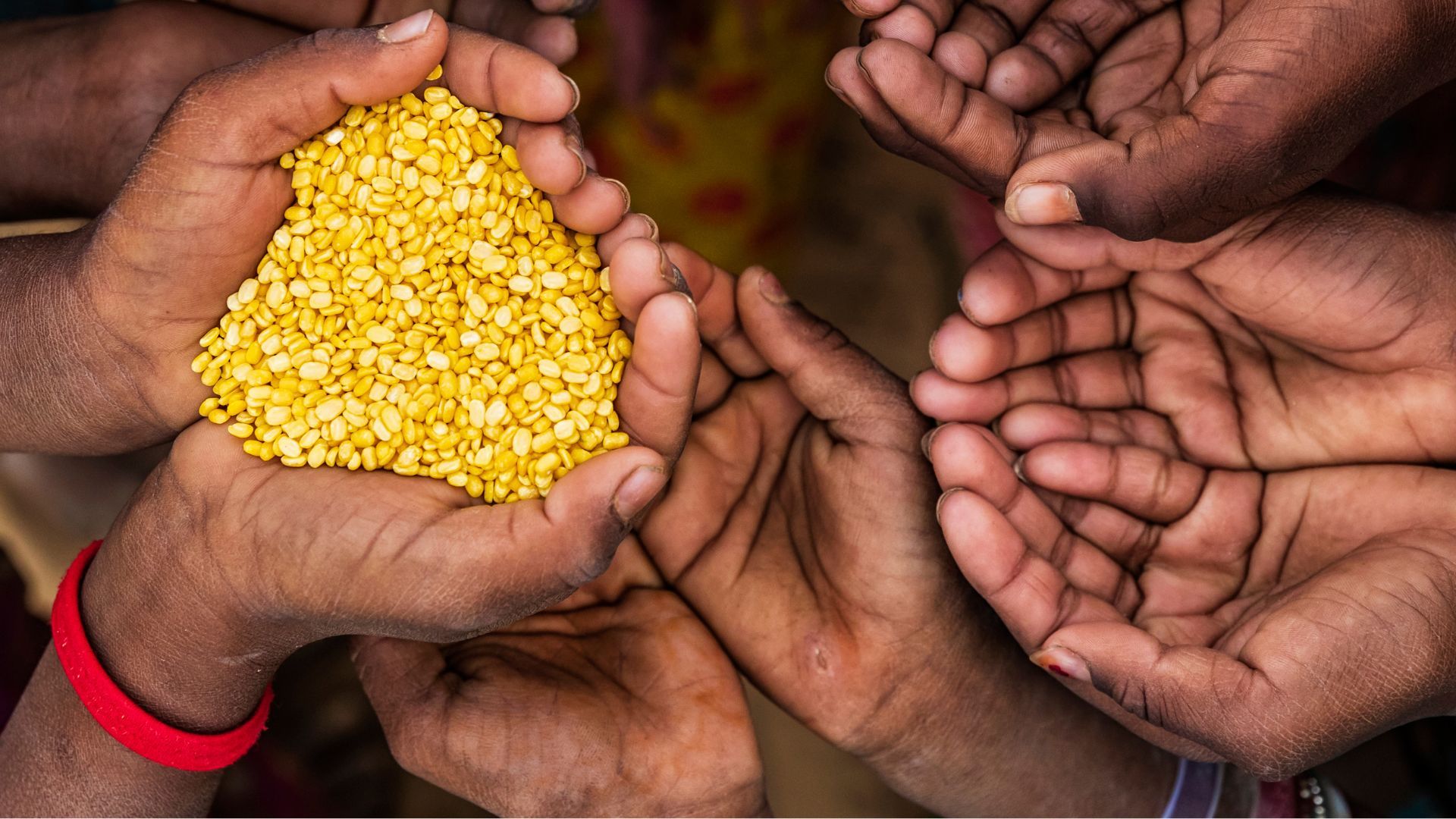
Legendary musician Ebenezer Obey once sang a Yoruba adage: “Tí oúnje bá ti kúrò nínú ìsé, ìsé bùse.” In other words, “When hunger is taken out of poverty, poverty is defeated.” That melody echoed when President Bola Tinubu, in a speech to members of The Buhari Organisation who visited him at the Presidential Villa recently, highlighted the efforts of his government in tackling the nation’s myriad economic challenges, particularly eradicating poverty.
In the President’s words, one of the most important ways the government is tackling poverty is through agricultural mechanisation.Hear him, “I’ve just signed up on a huge mechanisation programme that in every region, we have a mechanised centre for agricultural mechanisation. That is our path to food sovereignty, food security. You remove hunger from poverty, you have defeated poverty.”But one wonders if that simplification, starched and polished by political rhetoric, is really adequate for what Nigerians endure daily.
Tinubu’s administration has launched a sweeping agricultural mechanisation push in a bid to tackle hunger. He has rolled out 2,000 tractors and over 9,000 farming implements, marking Nigeria’s largest mechanisation drive ever. In June, at the launch of the Renewed Hope Agricultural Mechanisation Programme, he declared Nigeria’s agricultural renaissance had begun.In Katsina, he inaugurated an agricultural mechanisation centre with 400 tractors, linking it to food security, economic empowerment, rural revitalisation, and overall prosperity.
“Once we free ourselves from hunger, peace and prosperity will naturally follow,” he enthused.These are high-impact visuals. But we must pause and ask if food alone is enough.Officials often chorus GDP growth, which was 3.4 per cent in 2024, but that masks deep systemic issues. Unemployment may be listed at 5.3 per cent, but youth unemployment remains over 50 per cent, and even higher for young women. Poverty is a multi-layered crisis: while 31 per cent live below the extreme poverty line, rural poverty surges to a staggering 75.5 per cent.And inflation is burning holes in pockets, hovering around 35 per cent.
Transport and energy costs are sky-high, and a proposed five per cent fuel surcharge threatens to pull an estimated N796bn more from citizens. Meanwhile, VAT is slated to rise to 12.5 per cent next year, even as basic goods like food and medicine remain excluded.
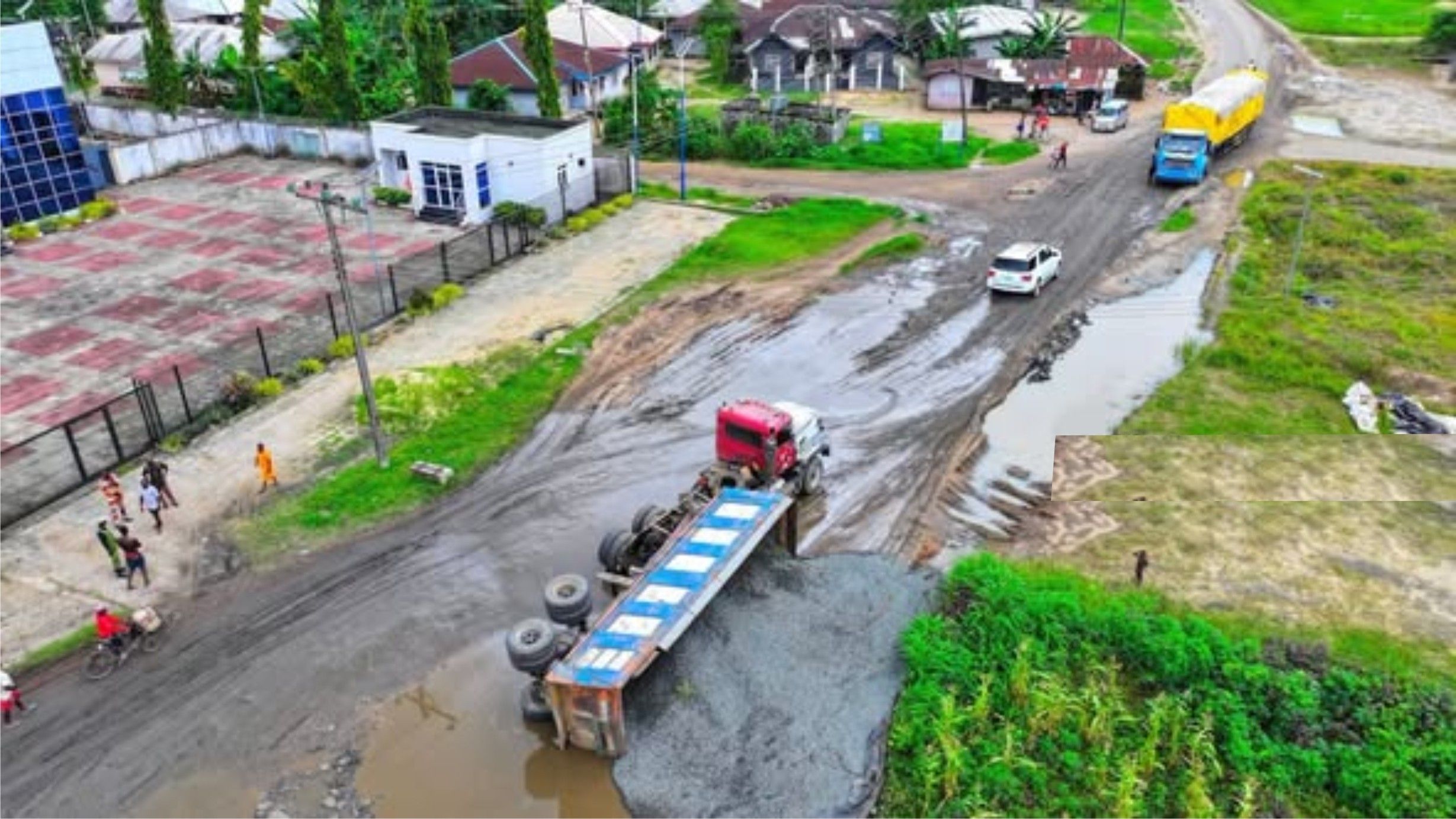
Tinubu’s tractor rollout has potential. According to ThisDay, the programme may cultivate over 550,000 hectares, yield over two million metric tonnes of staples, and create 16,000 jobs, directly benefiting half a million households. Yet in Katsina, the flagship mechanisation centre is incomplete. Critics note that promises of 2,000 tractors and 100 harvesters have also not been delivered.Without reliable rural roads, electricity, irrigation, or schools, these tractors risk rusting into idle symbols rather than engines of transformation.
Poverty is deeper than hunger. Nigerians grapple with everything from unstable power and lack of clean water to breakdowns in healthcare, housing, schools, job security, taxation, and transport. Pulling hunger from poverty doesn’t erase these systemic failures.The Jollof Index shows it costs N27,528 to cook one pot of Jollof rice, which is 40 per cent of the N70,000 minimum wage. With inflation in double digits, families ration food, skip healthcare, children drop out of school, and able-bodied men turn to begging to survive.Yet government rhetoric pushes mechanisation as the magical wand of poverty reduction. Without parallel commitments to social infrastructure and structural reform, that wand won’t wield lasting change.What Obey’s lyric and Tinubu’s words capture in spirit, they distort in practice. Food is necessary, but not sufficient.
Productivity and infrastructure matter too.As one online commentator recently put it, “Nigeria’s woes aren’t just hunger, they are broken laws, weak institutions, rogue tax points, and poor energy.” The remark echoes a sentiment shared by many Nigerians who believe that reducing poverty to the single question of food ignores the wider structural failures that shape daily life.Meanwhile, Okonjo-Iweala, writing for Brookings, reminds us that structural reforms demand fiscal accountability, transparency, social safety nets, and strong institutions, not simply headline-grabbing initiatives. And as Nigeria’s former Finance Minister and Coordinating Minister for the Economy, her legacy underscores the importance of building institutions over relying on slogans.Tinubu’s agricultural mechanisation is bold and symbolic, but poverty is a many-headed beast.
Take one away, and others remain. No number of tractors will replace access to power, water, healthcare, school fees, or predictable livelihoods.If our aim is a resilient, inclusive economy, we need full-spectrum reform, which encompasses robust infrastructure, healthcare, education, transport, clean energy, fair taxation, and empowered local governance.So yes, mechanisation matters. But peace, prosperity, shared opportunity and social justice demand more than tractors.
They demand a committed strategy that addresses poverty’s many faces and not just its hunger.