Omenuko Bridge: The Story Governor Otti Won’t Tell | #NwokeukwuMascot
By every standard, the ₦72 billion scandal rocking Governor Alex Otti’s administration remains the elephant in the room. Reports that such a colossal sum was allegedly spent on non-existent public schools should have prompted sober explanations and accountability. Instead, the Governor has chosen diversion parading the Omenuko Bridge as a trophy project, as though one repaired bridge wipes away the stench of unanswered financial questions.
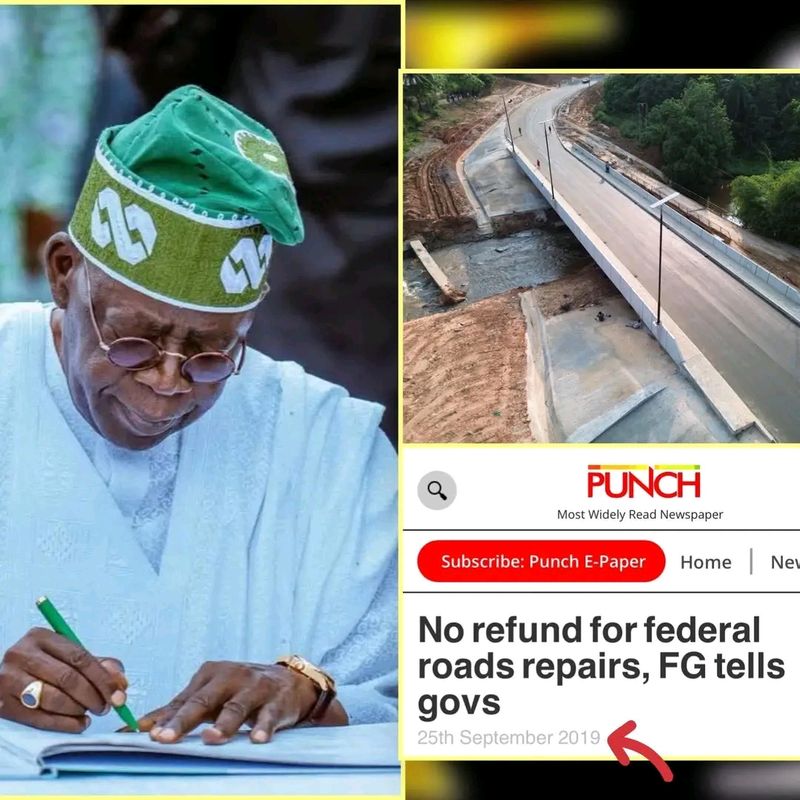
*But here’s the truth Otti won’t tell Abians: the Omenuko Bridge was never his brainchild.*
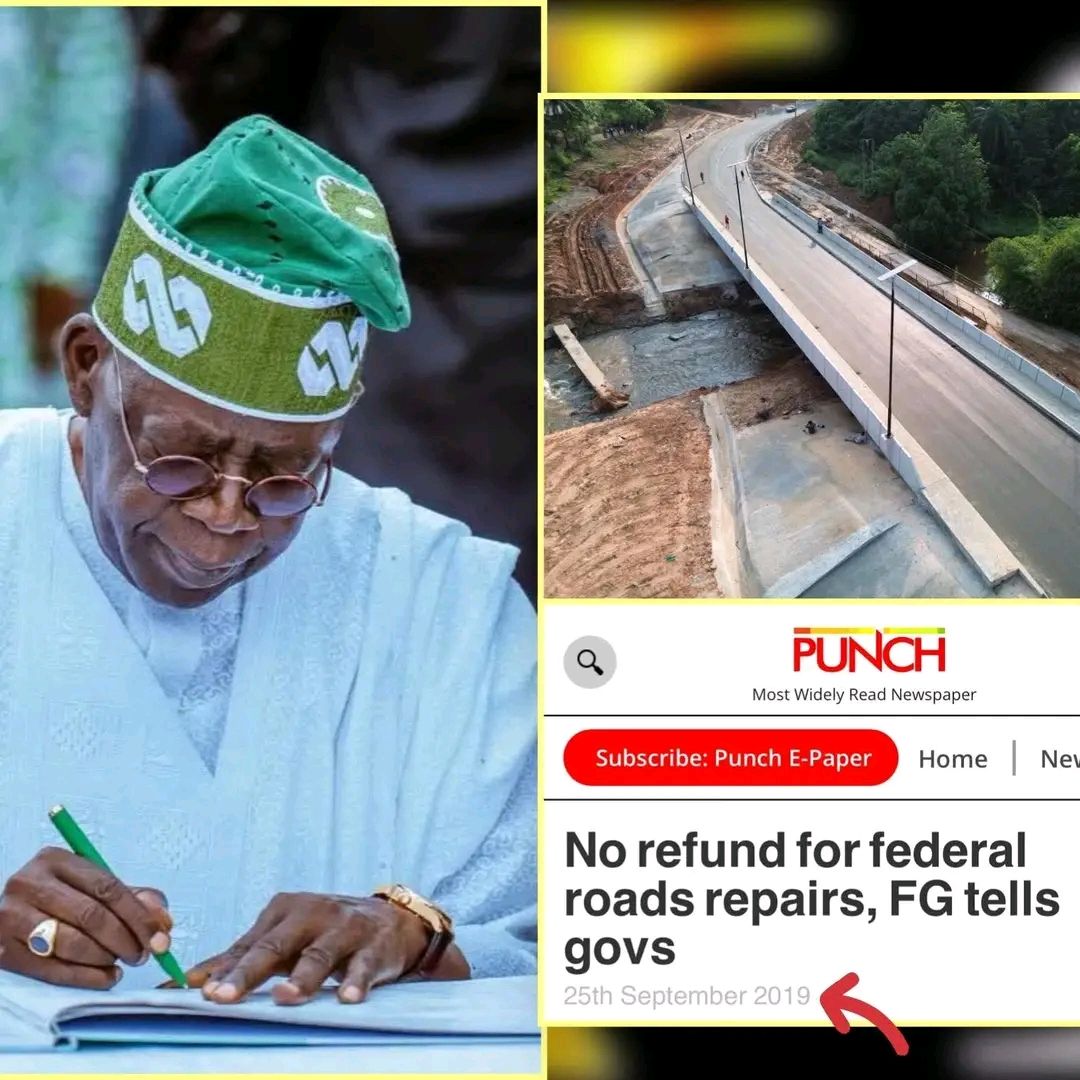
The Omenuko Bridge project was conceived and awarded by the Federal Government in 2017 to Setraco Construction Company at about ₦1 billion. With inflation, the cost ballooned to roughly ₦4 billion. Even then, Otti’s intervention reduced the original 24-metre design, yet the state has not disclosed the actual amount it spent. Abians are expected to clap without knowing the bill.
What Governor Otti is not admitting is that without President Bola Ahmed Tinubu’s approval, that bridge would still be stuck in the same limbo as countless abandoned federal projects. Tinubu’s policy reforms empowered states to execute federal roads and bridges with reimbursement guaranteed. Abia State was granted approval to take on seven such projects, Omenuko included. That approval not Otti’s solo genius made the work possible.
It is troubling that while other states, like Imo, openly disclose project costs Abians are deliberately kept in the dark. Take, for instance, the ongoing dualisation of the 45.8-kilometre Owerri–Elele Road in Imo State. Originally priced at about ₦218 billion, the project was renegotiated downward but its scope was expanded. It now covers; 45.8 kilometres, stretching to connect the Assumpta Flyover, 32 box culverts, A massive 70 kilometres of underground stormwater drainage system and High-beam solar-powered streetlights both on the median and the verges.
This level of detail leaves no room for doubt about cost, design, or scope. Imo residents know exactly what their government is doing and at what price.
Now compare that to Abia. How much did Otti’s government really spend on Omenuko Bridge? Why was the original design altered? Why is every detail shrouded in secrecy?
Instead of acknowledging Tinubu’s reforms which raised Abia’s monthly allocation from ₦6 billion to ₦38 billion and gave him the capacity to touch federal projects, Otti prefers to claim the glory, unfortunately with the quiet support of certain officials in the Federal Ministry of Works who appear comfortable underreporting the Federal Government’s contribution.
Here lies the hypocrisy: in Imo, Governor Hope Uzodinma works hand in hand with Abuja and gives the people full disclosure. In Abia, Otti plays politics riding on the back of Federal Government approvals and funds while publicly pretending to be a lone reformer battling all odds.
The irony is bitter. Even as an opposition Governor, Otti has enjoyed President Tinubu’s backing. Federal reimbursements for roads like Port harcourt road Aba are already being processed by the federal ministry of work. Yet instead of gratitude, the Governor offers silence, eager to bask in borrowed glory.
Abians must not be deceived. A repaired bridge does not erase the unresolved ₦72 billion scandal of non existent school projects. It does not answer where the money went. It does not justify secrecy over project costs.
Governor Otti’s strategy is clear: showcase a project, hide the figures, and hope the people forget the bigger questions. But Abia deserves the full picture. Without Tinubu’s reforms, Omenuko Bridge would still be a dream deferred. Without transparency, every ribbon-cutting risks being another smokescreen.
The bottom line is simple: Governor Otti cannot keep taking credit for Federal Government initiatives while dodging accountability at home. The bridge may stand, but so do the unanswered questions.