Back to Homepage
World News

Trump threatens to send US military into Nigeria, alleging mass killing of Christians.

Aglow News
November 2, 2025
Trump threatens to send US military into Nigeria, alleging mass killing of Christians.

Trump threatens to send US military into Nigeria, alleging mass killing of Christians.

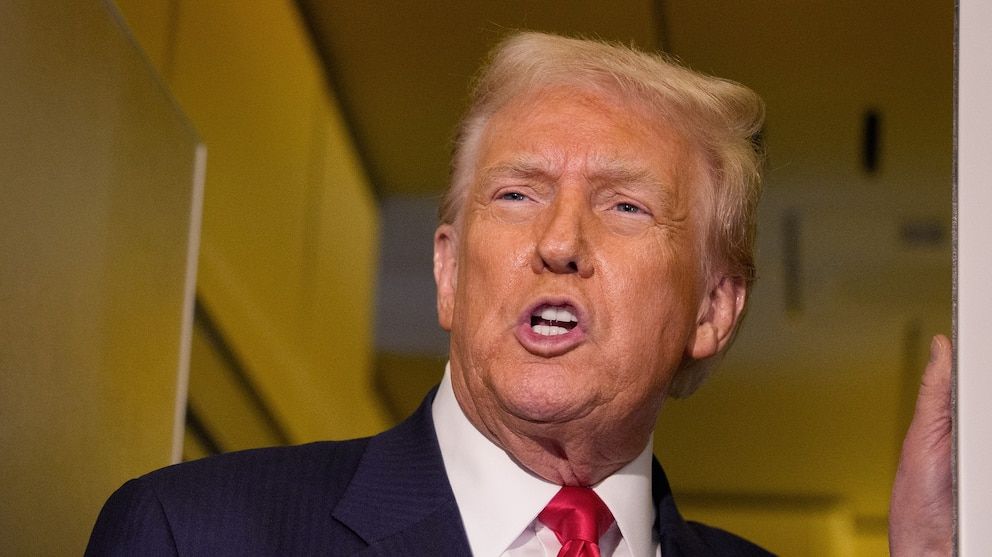
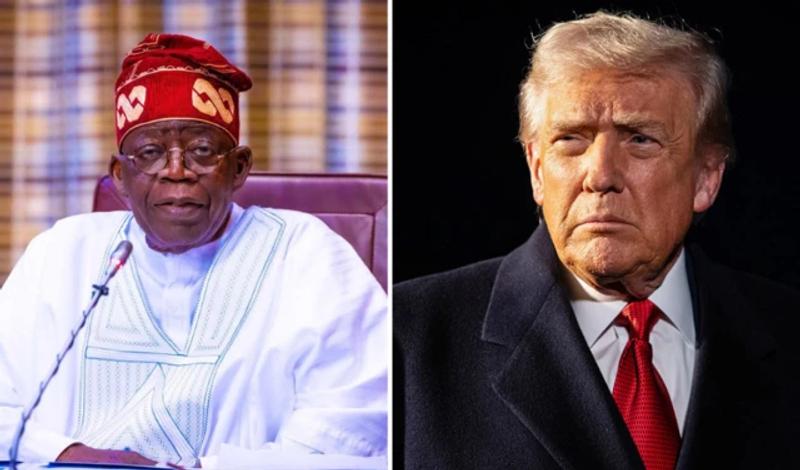
U.S. President Donald Trump on Saturday issued a strong warning to the Nigerian government, threatening potential military action over what he described as the “killing of Christians” in the country.

In a post on his Truth Social platform, Trump said the United States would “immediately stop all aid and assistance to Nigeria” if authorities “continue to allow the killing of Christians,” adding that the U.S. “may very well go into” the country with force.
Article image

His remarks echoed his earlier claim that Christianity in Nigeria is facing an “existential threat,” accusing what he described as “radical Islamists” of allegedly carrying out “mass slaughter.”

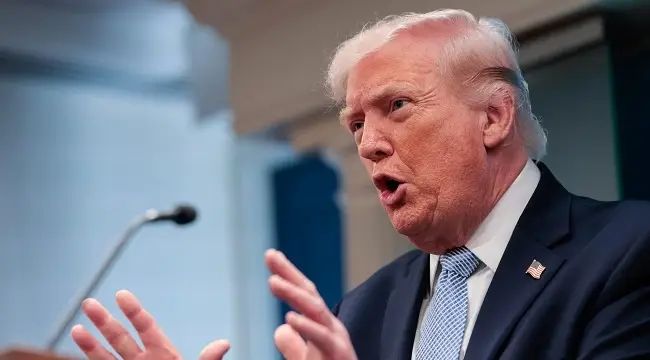
“I am hereby instructing our Department of War to prepare for possible action. If we attack, it will be fast, vicious, and sweet — just like the terrorist thugs attack our cherished Christians!” Trump wrote, urging the Nigerian government to “move fast.”

Analysts note that Trump’s comments align with talking points commonly promoted by far-right lawmakers and commentators in the U.S., who often frame Nigeria’s security crises as a targeted religious war against Christians. However, experts caution that such narratives oversimplify the country’s complex security challenges.

Article image

According to reporting by Al Jazeera, conflict-resolution experts emphasize that violence in Nigeria — whether in the Middle Belt, Northeast, or Northwest — cannot be attributed solely to religion. They highlight a combination of factors including terrorism, banditry, farmer-herder conflicts, economic hardship, and governance failures, all of which affect both Christians and Muslims.

Tags

World News

Related Posts

New York Times Sues Pentagon Over Restrictive Media Policy

New York Times Sues Pentagon Over Restrictive Media Policy

The New York Times has filed a lawsuit against the United States Department of Defense, challenging a newly introduced Pentagon media policy it describes as unconstitutional and a direct violation of press freedom. The newspaper argues that the policy restricts journalists’ long-standing right to question government officials and independently gather information beyond official statements. Several major US and international media organizations, including AFP, AP, Fox News, and The New York Times, refused to sign the policy in mid-October and subsequently lost their Pentagon press credentials. The new rules also impose movement restrictions within the Pentagon and have sharply reduced official press briefings. The lawsuit follows a series of actions by the Defense Department that critics say are aimed at limiting media access and replacing independent outlets with media figures perceived to be more favorable to the current administration.

Putin Wants To End Ukraine War, Says Trump

Putin Wants To End Ukraine War, Says Trump

.S. President Donald Trump has said Russian President Vladimir Putin indicated during recent talks in Moscow that he wants to bring the war in Ukraine to an end. Trump made the remark while referencing discussions held by U.S. negotiators Steve Witkoff and Jared Kushner with Russian officials.

Netanyahu Seeks Pardon In Corruption Cases

Netanyahu Seeks Pardon In Corruption Cases

Israeli Prime Minister Benjamin Netanyahu has formally requested a pardon from President Isaac Herzog amid ongoing corruption trials that have deeply divided the country. Netanyahu, who denies wrongdoing, cited the political and social strain caused by the nearly six-year-long cases as justification. The request follows a letter from former US President Donald Trump urging Herzog to grant clemency. Legal experts and opposition leaders argue that only a convicted individual can be pardoned, while supporters claim the move could help heal national divisions. Herzog’s decision could take weeks and is likely to face legal challenges.

Share this article