Why Nigeria Cannot Produce Vaccines — Minister
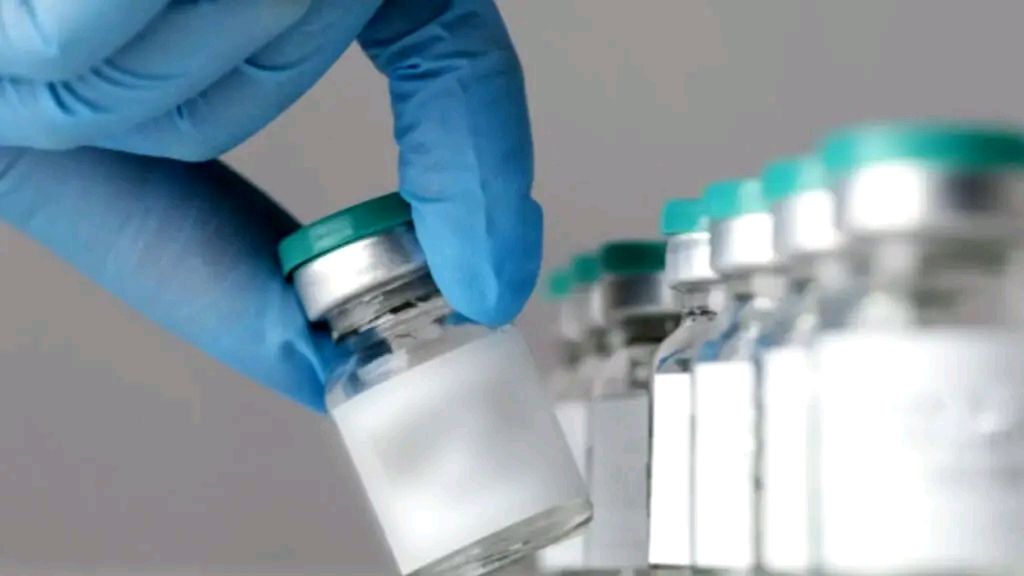
He explained that producing vaccines requires careful economic and technical consideration and that local production must be economically viable.
The Minister of State for Health, Iziaq Salako, says Nigeria is not yet capable of producing vaccines locally.
Salako spoke in an interview on Channels Television’s Politics Today on Thursday, addressing the nation’s vaccine production capacity.
When asked if Nigeria could produce vaccines now, he replied, “Unfortunately, not. One of the key elements Nigeria is driving under the Presidential Initiative for Unlocking the Health Value Chain is to promote local vaccine development.”
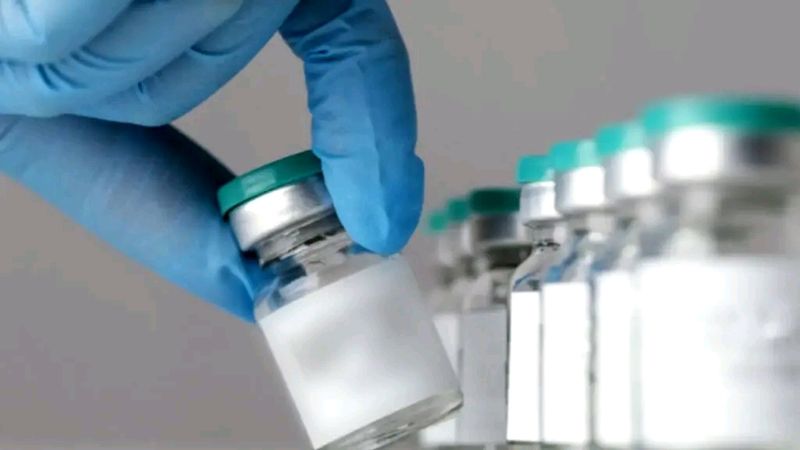
He explained that producing vaccines requires careful economic and technical consideration and that local production must be economically viable.
“It is not enough to just say you want to produce vaccines. You must first consider comparative advantage. If producing locally costs more than importing, then it defeats the purpose. You must do all the analysis,” he said.
He added that while Nigeria’s population of over 240 million people is a strength, the market must align with global standards.
“When you produce a vaccine that is not globally used, that’s a challenge. It’s high-end technology, and we can’t rush into it,” he said.
“We have no cause for panic. There is 24/7 preparedness and constant surveillance to ensure health security,” he said.
Dr Salako revealed that Nigeria’s pandemic preparedness has improved significantly and also cautioned Nigerians against self-diagnosis.
“Our ability to detect and prevent pandemics has increased from 39 to 55 per cent,” he said, noting that “Not every flu-like illness should be termed COVID-19.”
Dr Salako announced that about 78 per cent of federal hospitals across Nigeria have been digitised, explaining that the digital process has simplified hospital operations.
“About 78 per cent of our federal hospitals, medical centres, teaching and specialist hospitals, are now digitised.
He stated that with the digitisation process, patients will no longer need a physical card to access care.
Speaking on the migration of Nigerian health professionals, Dr Salako blamed a global shortage of health workers for the ongoing brain drain.
Many countries worldwide have advanced in vaccination, achieving high coverage in childhood and COVID-19 immunisations. For instance, several European countries record up to 97 per cent coverage for DTP3 vaccines.
Nigeria continues to intensify efforts in partnership with WHO and UNICEF. The government recently launched a nationwide campaign against measles-rubella, polio, HPV, and other diseases.