It explained that maintaining low and stable prices, alongside policies that encourage investment inflows, would help complement the efforts of fiscal authorities in driving economic growth.
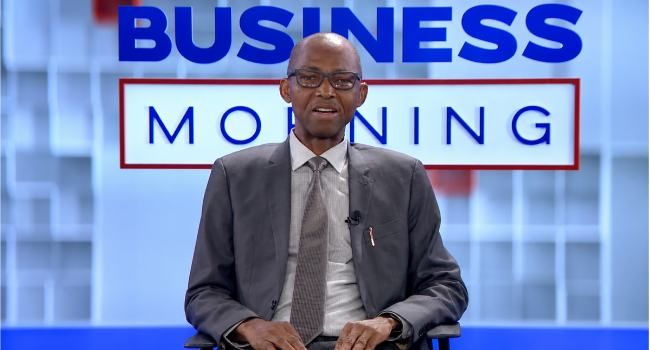
Director of the Monetary Policy Department at the CBN, Victor Oboh.
The Central Bank of Nigeria has reaffirmed its commitment to maintaining macroeconomic stability and supporting economic growth through collaboration with fiscal authorities and development finance institutions.
Speaking on Channels Television’s Business Morning programme on Wednesday, the Director of the Monetary Policy Department at the CBN, Victor Oboh, said intervention programmes in sectors such as agriculture and industry were primarily the responsibility of fiscal authorities, including relevant ministries and agencies.
According to him, the role of the central bank is to create a conducive economic environment that supports investment, price stability, and investor confidence.
“You talk about agricultural intervention; for instance, we have a full-fledged Federal Ministry of Agriculture and Food Security. You talk about industries; you have trade and investment,” he said.
‘What the central bank is doing is to ensure that the environment is conducive. If you have a conducive business environment in terms of investor confidence, low and stable prices, and ensuring that investment can flow into the country, that will be able to support the efforts of the fiscal authorities.”
”There are development bank institutions like the Bank of Industry, which the Central Bank still continues to support. We have the Bank of Agriculture and other development financing institutions, and we believe those institutions should be able to work together with the Central Bank of Nigeria and the relevant fiscal authorities to provide targeted interventions to those areas that need them,” Oboh added.
READ ALSO: Naira Steady After CBN Retains Interest Rate At 26.5%
He further explained that maintaining low and stable prices, alongside policies that encourage investment inflows, would help complement the efforts of fiscal authorities in driving economic growth.
Highlighting the role of development finance institutions such as the Bank of Industry and the Bank of Agriculture, Oboh noted that the CBN continues to support these institutions in providing targeted interventions to critical sectors of the economy.
He said the financial regulator provides advisory and technical support services to the government and relevant agencies to ensure a coordinated approach to economic development.
”The Central Bank of Nigeria continues to provide advisory support and technical services to the government and other parastatals in a way that we will be able to work together and support growth in an optimal, conducive, and cohesive manner,” he said.
Iran-Linked Economic Pressure Temporary
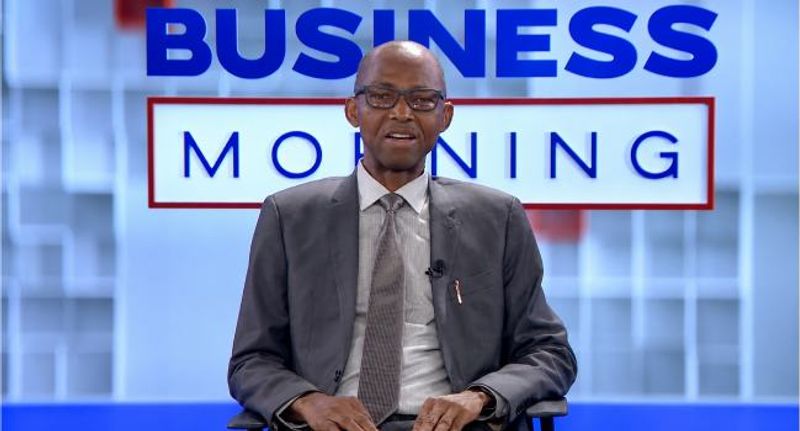
Meanwhile, Oboh stated that the current economic pressures linked to tensions in the Middle East are expected to be temporary for the rest of the year.
“Our expectation, based on analysis, is that this shock from the Middle East is largely temporal, a temporary setback to our path toward disinflation.”
”What the forecast is telling us is that, in no long time, we will return to our path of disinflation, and towards the end of the year, we will definitely be closer to the target that we have, which is moving towards single-digit inflation,” the CBN director added.