Business:
Peter Vowles Named New British High Commissioner To Nigeria
The appointment underscores the UK’s continued diplomatic engagement with Nigeria ahead of Vowles’ assumption of duty in September 2026.
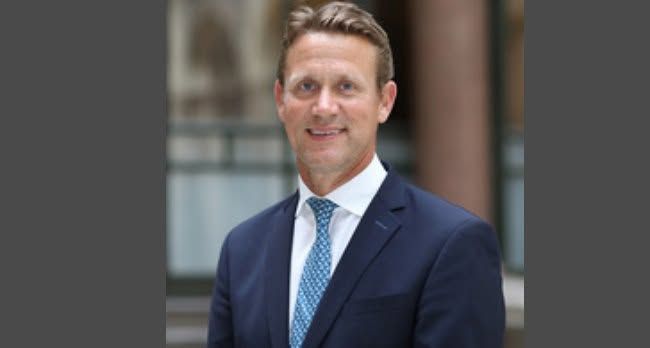
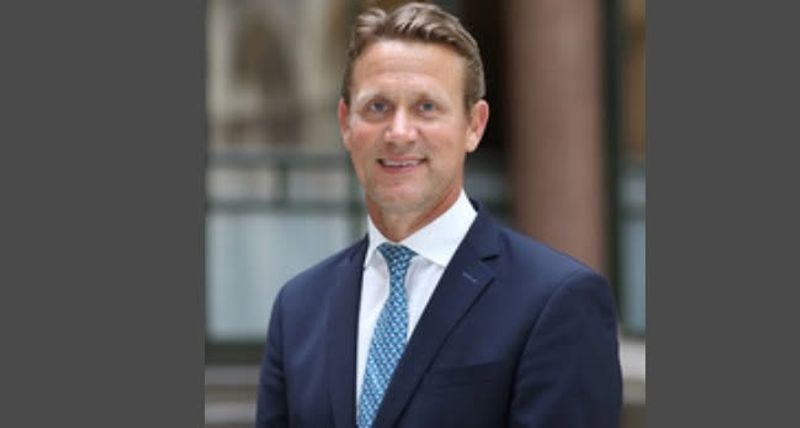
Peter Vowles…photo…GOV.UK
Peter Vowles has been announced as the new British High Commissioner to Nigeria.
His appointment was announced in a statement released by the United Kingdom’s Foreign, Commonwealth & Development Office on Monday.
“Mr Peter Vowles has been appointed British High Commissioner to the Federal Republic of Nigeria, in succession to Dr Richard Montgomery CMG.
“Mr Vowles will take up his appointment during September 2026”, the statement partly read.
Vowles, a seasoned diplomat with extensive experience across Africa and Asia, is currently serving as the British High Commissioner to Zimbabwe, a role he has held since 2023, according to the statement.
The appointment underscores the UK’s continued diplomatic engagement with Nigeria ahead of Vowles’ assumption of duty in September 2026.
READ ALSO: ‘I Remain On Deck’, Ex-IMF Chief Lagarde Dismisses Report On Plan To Resign From ECB
“His diplomatic and development career spans over two decades, with key roles in the Foreign, Commonwealth and Development Office (FCDO) and its predecessor, the Department for International Development (DFID). He previously served as FCDO Transformation Director (2022–2023) and as HM Ambassador to Myanmar between 2021 and 2022. From 2018 to 2021, he was Director for Asia, Caribbean and Overseas Territories at DFID.
“Earlier postings include Country Director for DFID in Kenya (2016–2018), Head of Programme Delivery (2013–2016), and Deputy Country Director in the Democratic Republic of Congo (2010–2013). He also served as Head of Global Partnerships in India (2007–2010) and Governance and Security Team Leader in Afghanistan (2006–2007).
“Vowles joined DFID in 2006 after working as a Health and Development Consultant with Mott MacDonald (2005–2006). He had earlier served as Population and Health Programme Director in Bangladesh (2003–2005) and as a World Bank Health Adviser in Bangladesh (2002–2003).
“His early career includes participation in the National Health Service Management Training Scheme (2000–2002), Head of Projects at Raleigh International (1999–2000), and various development roles in Zimbabwe, including Policy and Programme Manager with Students Partnership Worldwide (1996–1999). He also worked as a teacher with Zimbabwe’s Ministry of Education, Sports and Culture between 1992 and 1993”, the statement added.