
Back to Homepage
Opinion

Opinion: THINGS REMEMBERED: Mud Houses: Once Admired For Durability In Northern Communities

Aglow News
May 13, 2026
Opinion: THINGS REMEMBERED: Mud Houses: Once Admired For Durability In Northern Communities

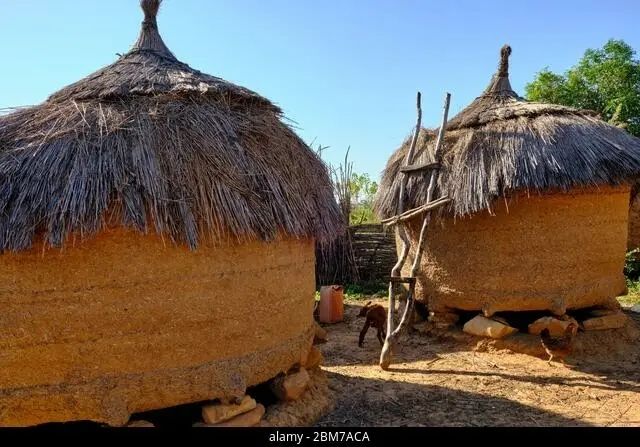
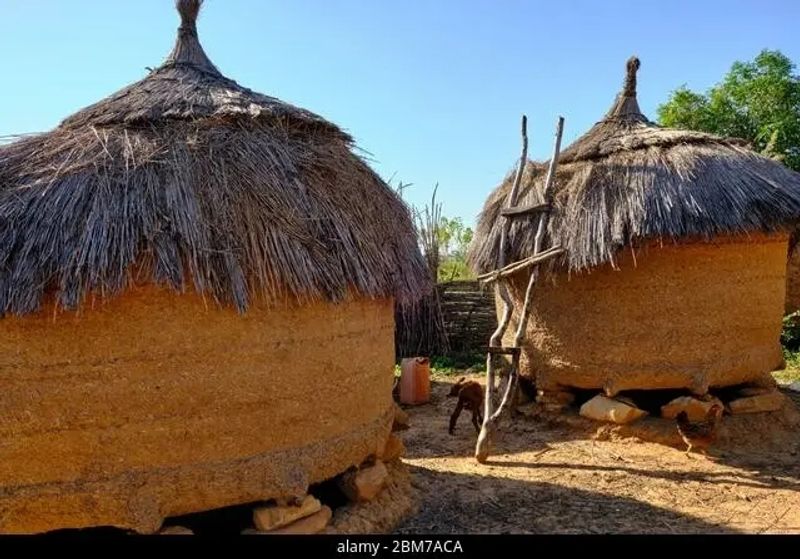
Before cement became the dominant input in housing construction, mud houses were common in various parts of Northern Nigeria. Their designs were architectural masterpieces and very easy and cheap to build.

They were constructed mainly from clay soil mixed with water and sometimes straw. Notwithstanding their simple construction, mud houses were admired for their durability, toughness, and ability to withstand the harsh weather conditions of the Sahel and savannah regions.

The thick walls enabled them to absorb heat during the day and release it slowly at night, thereby keeping the interiors cool despite the intense northern sun.

To date, mud houses remain one of the most enduring symbols of traditional architecture in Northern Nigeria. Some of the buildings still share their aesthetics with modern cement houses and designs.

Also, communities across the region still rely on mud structures for shelter, comfort and cultural identity. In states such as Kano, Katsina, Sokoto, Kebbi, Jigawa and Borno, mud houses still exist with their century-old building styles.

Historians say the traditional Hausa architecture is particularly famous for its artistic mud buildings. Many compounds are designed with high walls, domed roofs and decorative patterns etched into the surfaces. Historic structures such as the ancient city walls of Kano and the Emir’s palaces in Zaria and Katsina showcase the sophistication of mud construction techniques developed over hundreds of years.

In most northern communities, the building of mud houses is a communal activity. Family members and neighbours often work together to mould mud blocks, raise walls and plaster surfaces. Roofs are commonly supported with wooden beams from local trees and covered with earth or thatch. The process reflects a deeply rooted communal lifestyle in northern culture.
Article image


Apart from their affordability, mud houses are considered environmentally friendly by stakeholders because they are built from locally available materials. Unlike cement structures, they require little industrial processing and help reduce construction costs for low-income families. Architects and environmental experts increasingly view mud housing as a sustainable alternative amid rising construction costs and climate change.

However, modernisation and urbanisation are threatening the survival of traditional mud architecture. Many young people now prefer concrete houses with roofs of zinc or aluminium sheets, seeing them as symbols of progress and social status. Poor maintenance, flooding and erosion have also contributed to the gradual disappearance of mud structures in some communities.


Tags

Opinion

Related Posts

Opinion: The Limit Of Political Ambition

Opinion: The Limit Of Political Ambition

“Ambition in itself is not wrong, but when it begins to undermine public confidence in democratic institutions, then it becomes necessary to draw the line. Indeed, there must be limits to political ambition for democracy to truly flourish.”

When public intellectuals blur the line between grievance and crime

When public intellectuals blur the line between grievance and crime

Demagoguery has become an increasingly dangerous feature of Nigeria’s public space, as some public intellectuals weaponise ethnicity and religion to advance narrow ambitions. By framing complex security challenges through grievance-driven narratives—often without unequivocally condemning violence—such actors blur the line between legitimate concerns and organised criminality, inflame tensions, and undermine public trust, at a time when Nigeria urgently needs moral clarity, empathy for victims, and a firm rejection of banditry and terrorism in all forms.

Abia’s Q3 2025 Financial Report: Unanswered Questions, Conflicting Figures and Rising Transparency Concerns By Obinna Oriaku

Abia’s Q3 2025 Financial Report: Unanswered Questions, Conflicting Figures and Rising Transparency Concerns By Obinna Oriaku

The Abia Q3 2025 Financial Report has raised more questions than answers, exposing inconsistencies that deepen public mistrust in the state’s financial disclosures. Despite record-high FAAC disbursements nationwide and an increase in internally generated revenue, the state’s reported figures contradict earlier claims and fail to reflect development on the ground. Critical concerns include the exclusion of local government allocations from SEFTAS reports—funds controlled by the state but never publicly accounted for—alongside suspicious shifts in expenditure classifications. Previously controversial items such as the nearly ₦1 billion Security Vote and the ₦300 million Government House feeding bill have been obscured under vague headings like “Research and Development,” which has consumed over ₦34 billion since 2023 with no clear outcomes. Large sectoral allocations—including ₦14.4 billion for Land and Housing, ₦9.1 billion for Transport, and ₦13.2 billion for Education—remain unexplained, with no corresponding projects visible across the state. Meanwhile, Agriculture continues to receive negligible funding despite rising food inflation, and local government pension figures are being reported in ways that distort basic accounting principles. Taken together, these discrepancies paint a troubling picture of financial opacity. Abians are simply asking for transparency and honest accounting—nothing more. Until the government reconciles these conflicting figures and provides verifiable explanations, public confidence in its financial reporting will remain in serious doubt.

Share this article